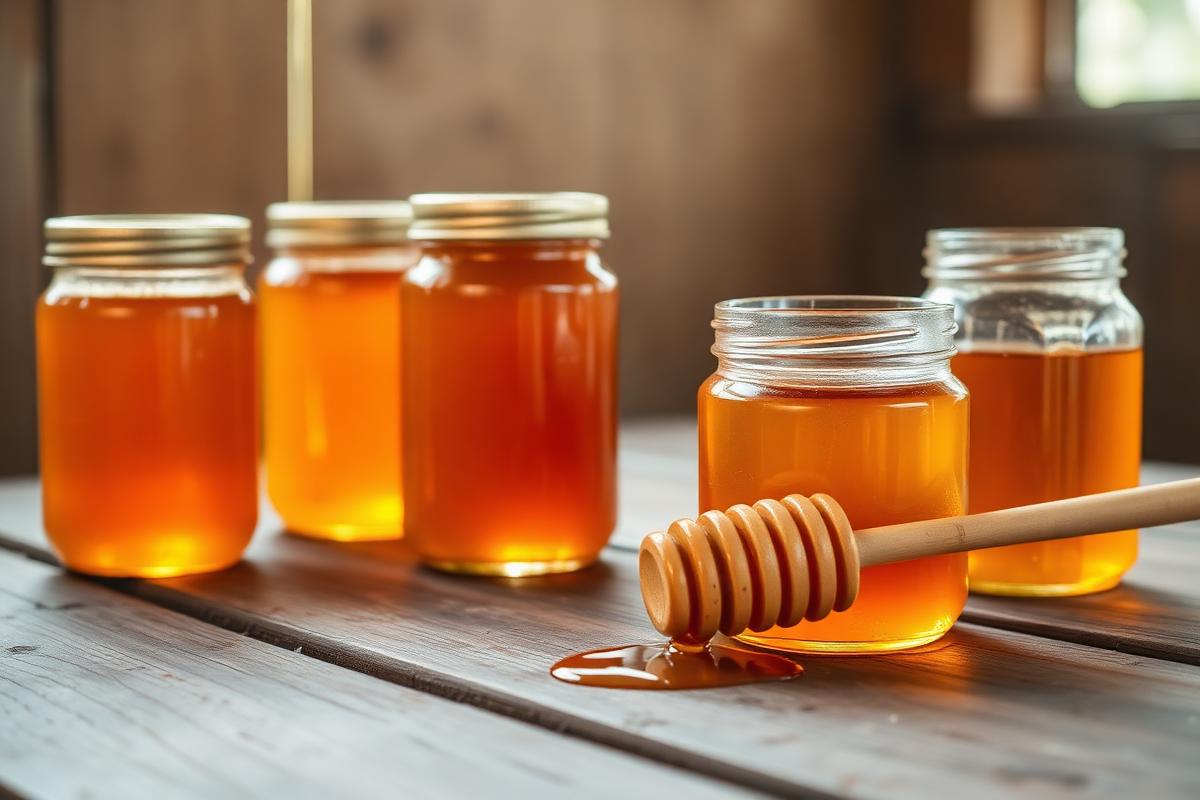
Two jars of honey can look nearly identical and be very different products. The differences come down to three things: heat, filtration, and blending.
Heat
Honey is thick, and thick liquid is hard to bottle at speed. Commercial bottlers heat honey to make it flow. Heat past roughly 110 degrees begins to degrade the delicate aromatic compounds and enzymes that make honey interesting. Raw honey skips that step, which is why it tastes more like the flowers it came from.
Filtration
Straining honey through a coarse filter removes wax bits and the occasional bee leg. That is normal and good. Ultra filtration under pressure goes further and removes pollen. Removing pollen makes honey stay clear longer on a shelf and also removes the only reliable way to trace where honey came from.
Blending
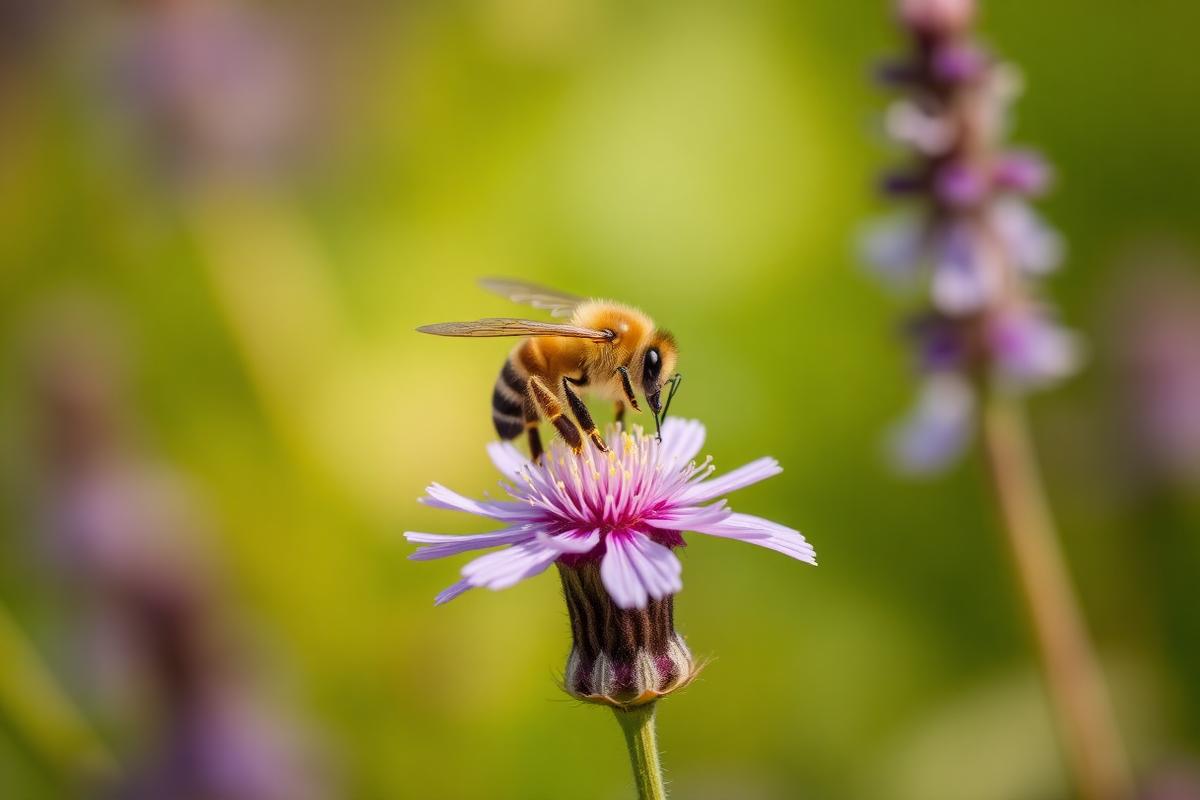
Large scale honey is often blended across many producers and often many countries to hit a consistent color and flavor year round. Consistency is the goal. Character is the cost. Single source local honey tastes different in June than it does in September, and that is the point.
Crystallization is not a defect
Raw honey crystallizes. Every kind eventually will, and the ones with more glucose crystallize faster. A crystallized jar is a sign that the honey was not processed to prevent it.
To liquify it: set the jar in warm, not boiling, water and stir occasionally. Do not microwave it.
Flavor by season
If your honey tastes the same every jar and every year, it has been blended to be that way.
Cost
Local raw honey costs more per ounce. You are paying for hive management, small batch bottling, and honey that was not stretched or standardized. A small jar used deliberately goes a long way.
Ours
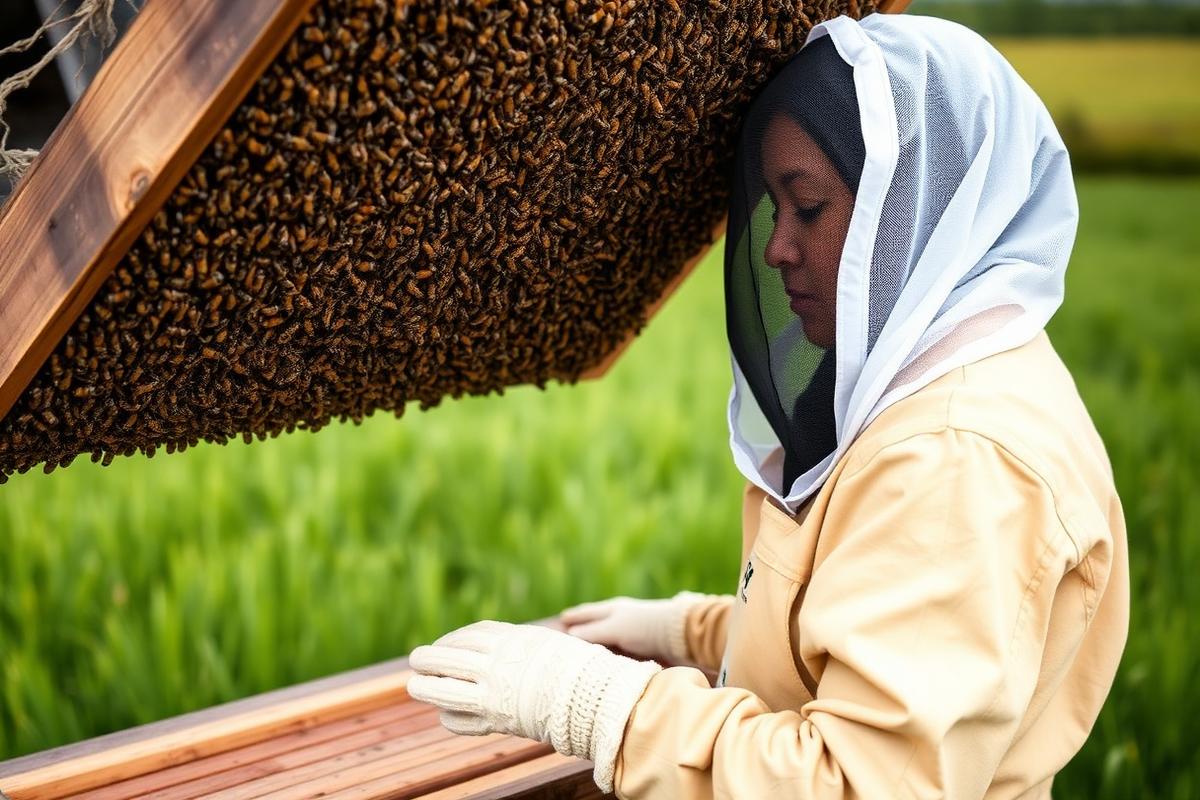
Bryant Creek Heights honey comes from our own hives in Conway, PA, jarred in small batches and sold until it is gone. Check the honey page for current availability.