Bees were supposed to be the easy addition. Livestock you do not have to feed, fencing you do not have to build, a product that harvests itself. That is not quite how year one went.
Mistake one, opening the hive too often
New beekeepers cannot leave the hive alone. Every inspection sets the colony back, chills brood, and interrupts work. We learned to inspect with a purpose and close it back up.
Mistake two, underestimating the spring build
A colony in spring expands fast. Run out of room and they swarm, taking half your workforce with them. We were late adding boxes and we watched a swarm leave. It is a humbling thing to stand in a field and watch your honey crop fly into a tree.
Mistake three, ignoring mites
Varroa mites are the single biggest threat to a hive in Pennsylvania. Not checking mite loads is how a strong looking colony collapses in the fall. We test now, on a schedule, and act on what we find.
Mistake four, harvesting too much
The bees make honey for themselves first. A colony going into a western PA winter needs adequate stores. We now leave more than we thought we needed and take the surplus only.
What we got right
What the bees do for the rest of the farm
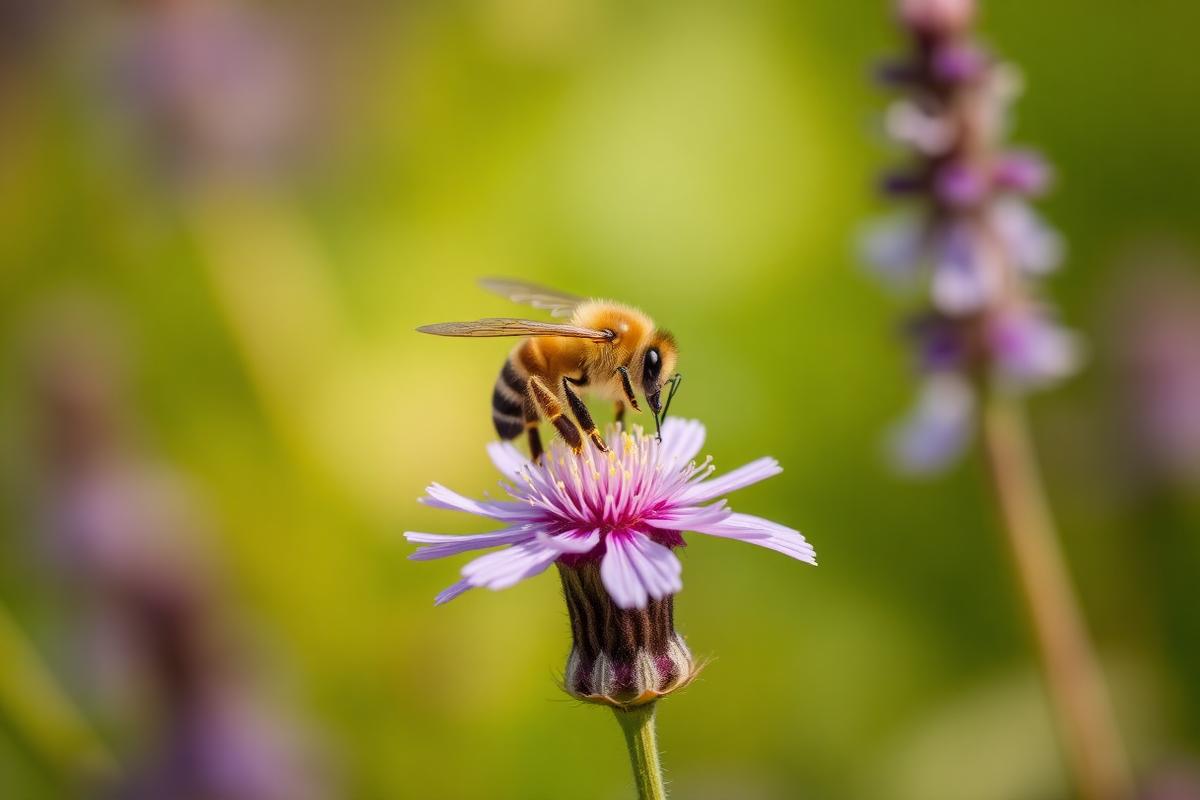
Pollination is the quiet dividend. Pasture legumes, the garden, and the fruit trees all benefit. The honey is almost the byproduct.
Year two
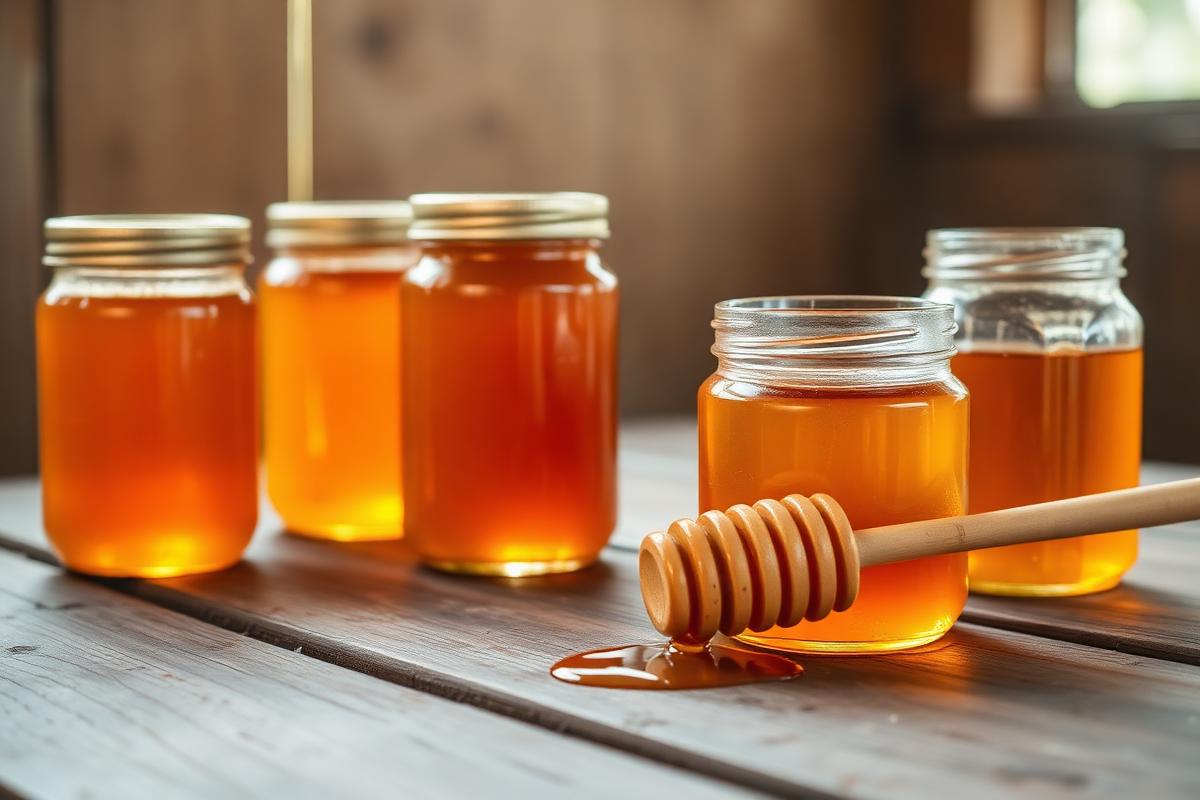
We are running more hives, testing mites on schedule, and giving the bees more room earlier in spring. Honey from our hives is sold in limited quantity on the honey page when a harvest is jarred.