Every spring somebody asks whether our honey will help their allergies. We are a farm, not a doctor's office, so here is a straight answer instead of a sales pitch.
The popular theory
The idea is that eating local honey exposes you to small amounts of local pollen, and that repeated exposure gradually reduces your reaction, similar in spirit to how allergy shots work.
Why the theory is shaky
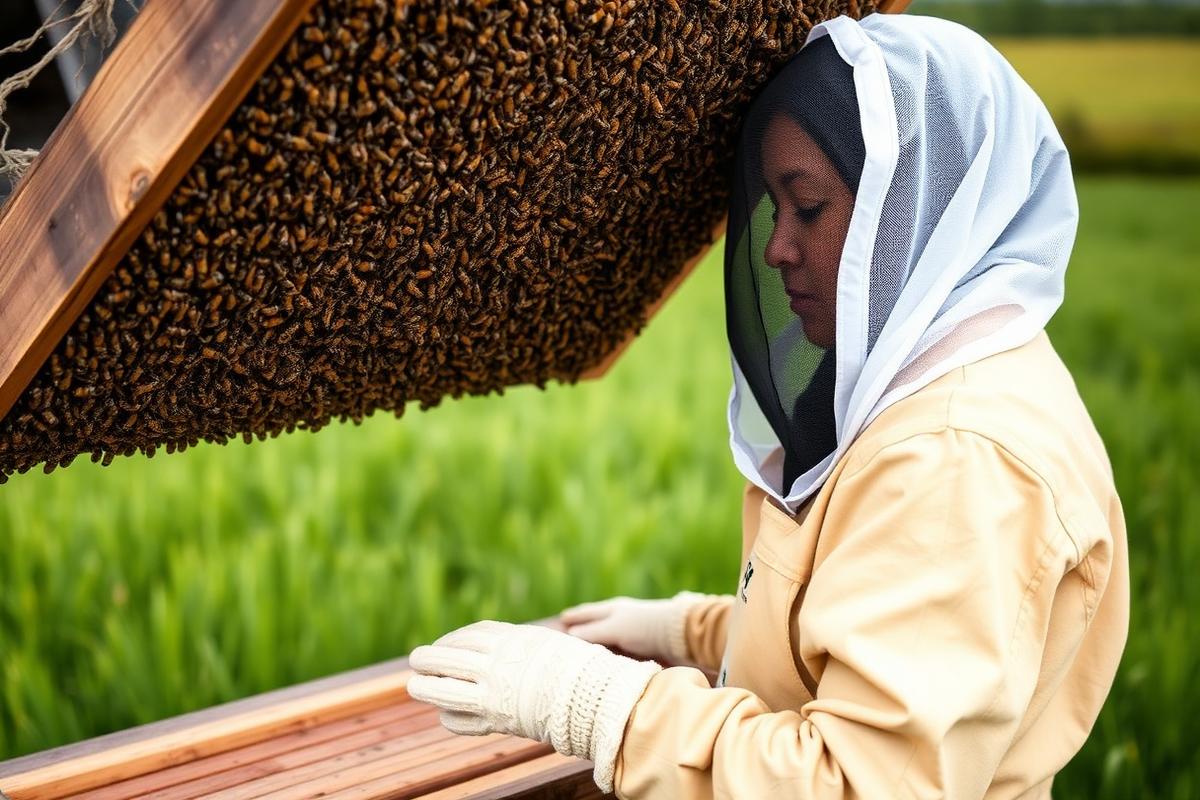
The pollen that makes people miserable in spring is mostly wind carried pollen from trees and grasses. Bees are not especially interested in wind pollinated plants. They work flowers that produce nectar, which are largely insect pollinated species. So the pollen in a jar of honey is often not the pollen causing your symptoms.
The research on honey and allergy relief is limited and mixed. Some small studies suggest a benefit, others show none. There is not a strong body of evidence, and we will not pretend there is.
What we will not say
We will not tell you our honey treats, prevents, or cures allergies. If your symptoms are serious, talk to a doctor about proven options like antihistamines or immunotherapy.
What is true
Why people buy it anyway
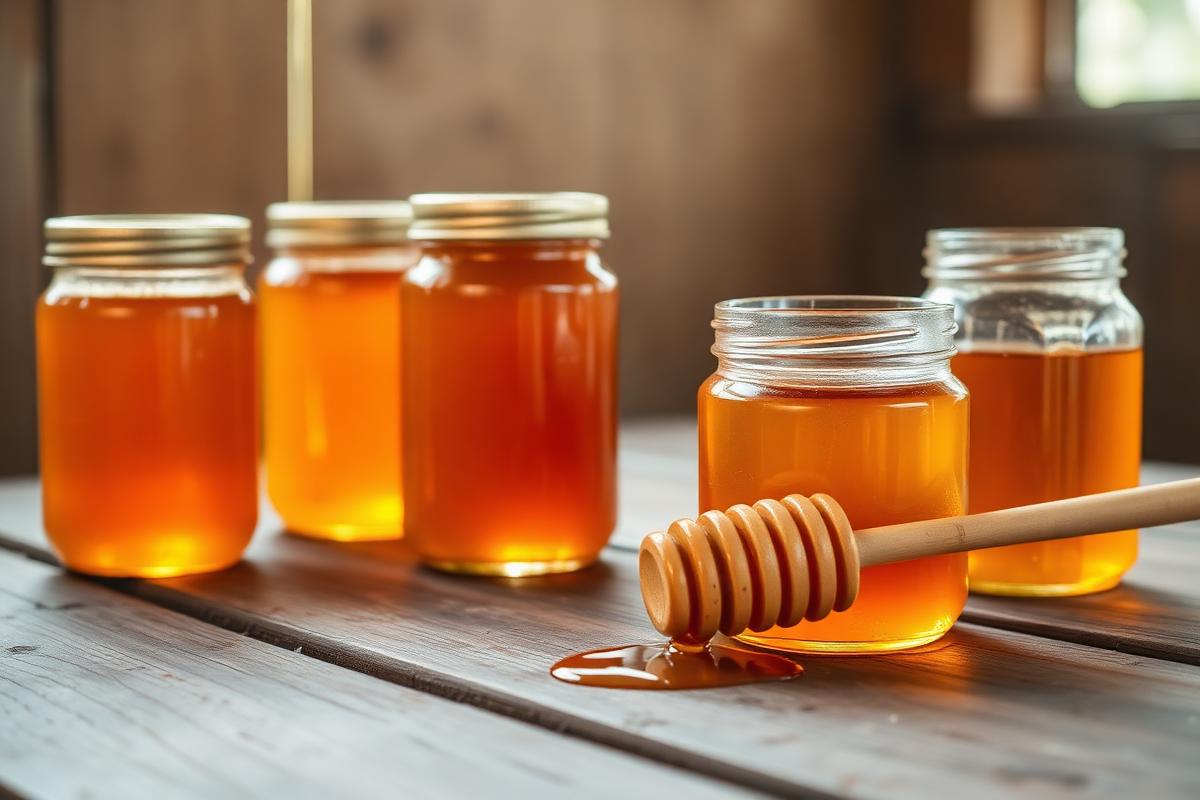
Most of our honey customers are not buying medicine. They are buying honey that tastes like where they live from a farm they can drive to. That is a good enough reason.
Safety note
Never give honey to a child under one year of age.
Where to find ours
Our honey comes from hives on our farm in Conway and is jarred in small batches. Availability is listed on the honey page, and the Creek List gets a text when we jar a new harvest.