Bacon is not a cut of pork. It is a process applied to a cut of pork. Understanding that process explains why our thick sliced bacon behaves so differently in the pan than a grocery store package.
Step one, the cure
Curing is salt plus time. Salt draws moisture out of the meat, concentrates flavor, and makes the environment hostile to spoilage organisms. Most cures also include a small amount of curing salt, sugar, and seasoning.
There are two common approaches:
Dry curing takes longer and pulls water out. Wet curing is faster and can add water in.
Why grocery bacon shrinks
If bacon was pumped with brine to increase weight, that water has to go somewhere when it hits the pan. It steams out, the strips shrink hard, and you end up with a puddle instead of a sear. Slower cured bacon renders instead of boiling.
Step two, the smoke
After curing, the meat is smoked. Cold smoking flavors without cooking. Hot smoking flavors and cooks at the same time, which is how most hams are finished. Hardwood choice matters. Apple and cherry are mild and sweet, hickory is bold and traditional in western Pennsylvania.
Fresh versus cured ham
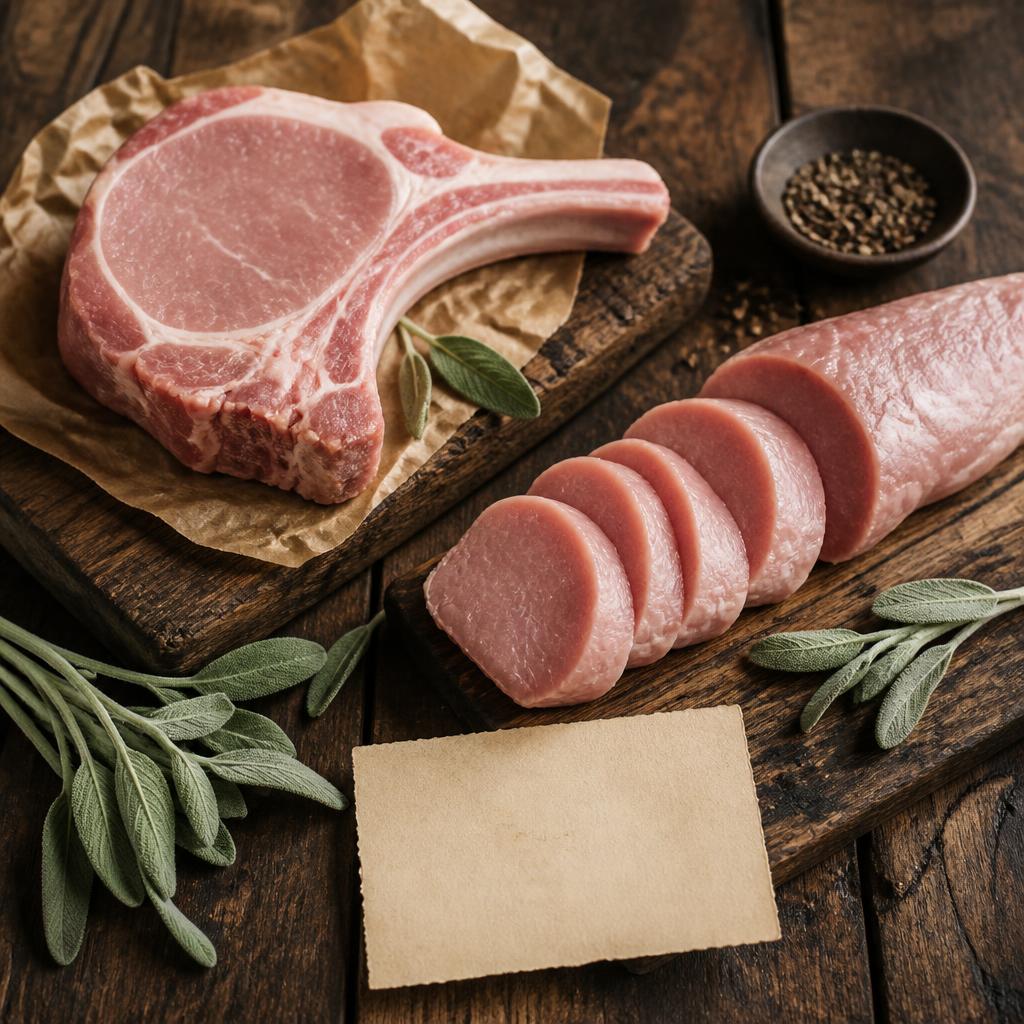
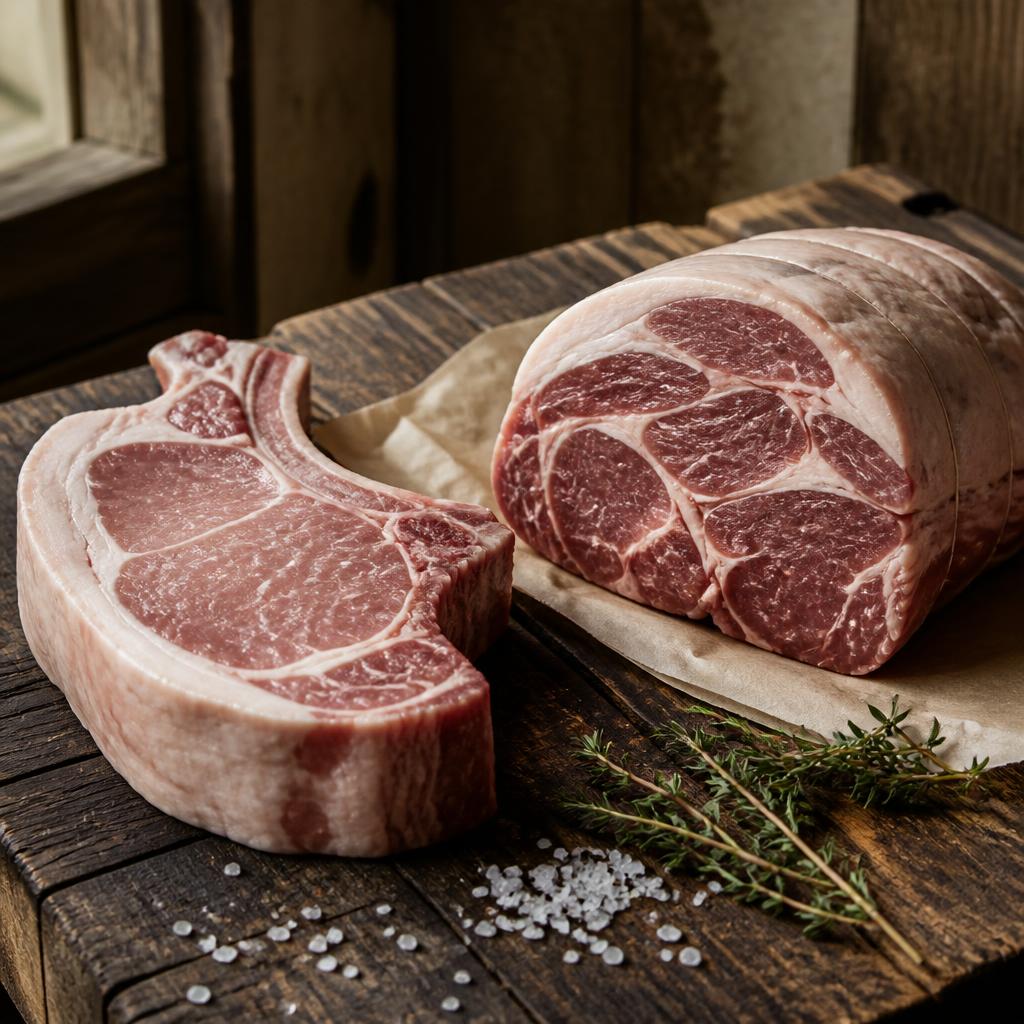
A fresh ham is just the raw back leg, and it roasts like a big pork roast with crisp skin. A cured and smoked ham is the pink, sliceable holiday ham most people picture. When you order a share, you choose.
What we do
Our bacon and ham are cured and smoked by a local processor, then frozen and wrapped. We keep the process simple because the pork itself is the point.
Cooking farm bacon
Where to get it
Thick sliced bacon, ham steaks, and half hams appear on the shop page as they come back from processing. Availability changes, so join the list if you want a text when the next batch is ready.