If you have ever eaten a pork chop that was juicy, dark, and rich instead of pale and dry, there is a good chance it came from a heritage breed. At Bryant Creek Heights we raise Berkshire and Berkshire crosses, and the difference shows up on the plate.
A very old breed
Berkshire hogs trace back hundreds of years in England and were prized long before modern confinement farming existed. They were bred for meat quality first, not for speed of growth.
What Berkshire pork looks like
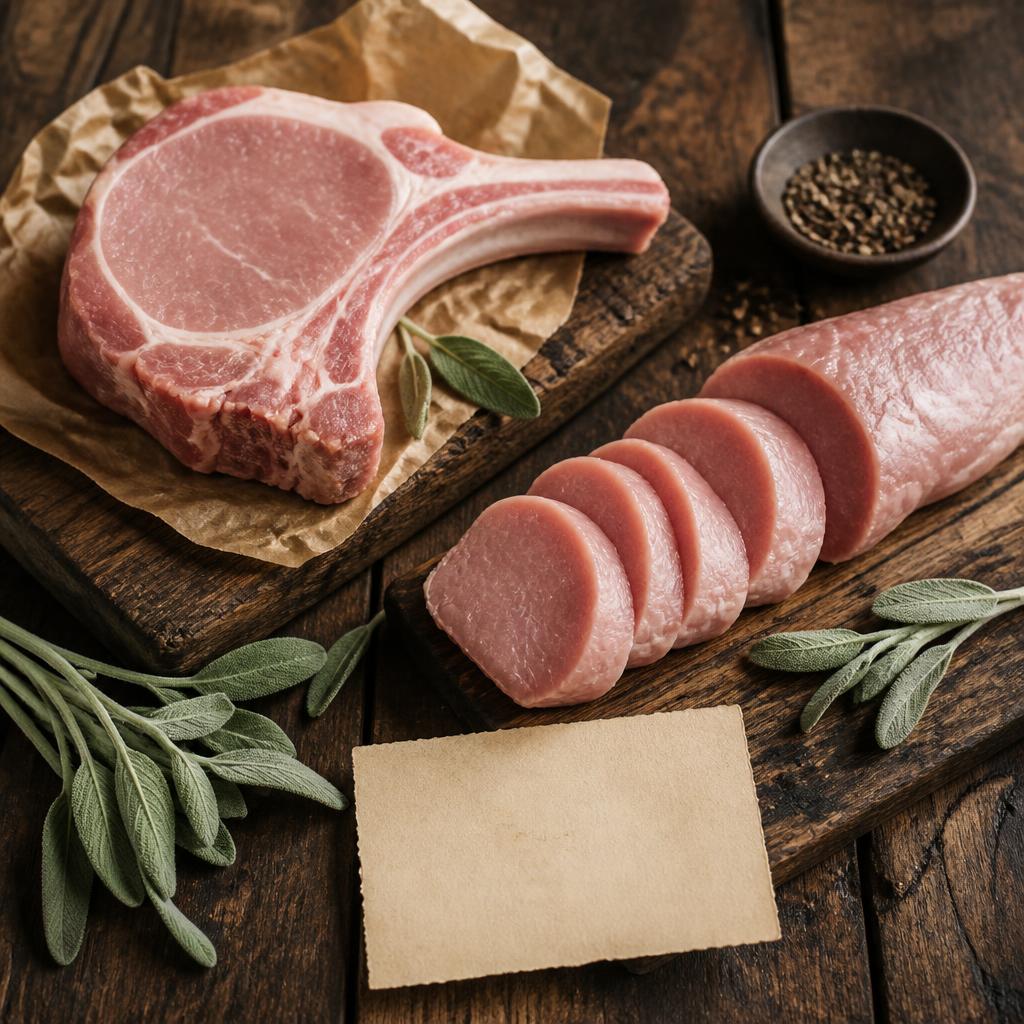
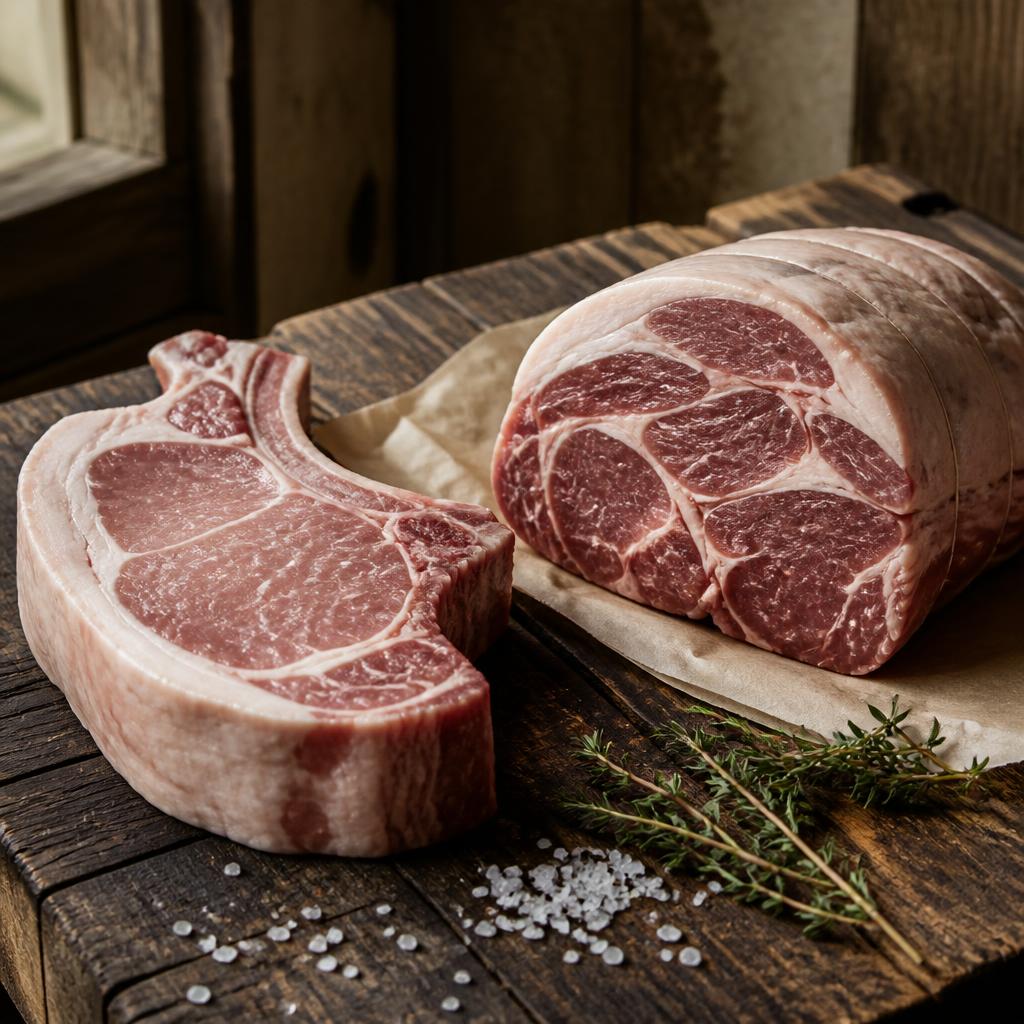
Berkshire pork is noticeably darker than commodity pork. Where grocery store pork often looks pale pink, Berkshire meat runs a deeper rose to red. That color comes from higher myoglobin content, which is what you get in a muscle that actually gets used.
Marbling and fat
The fat is the whole story. Berkshire carries fine intramuscular marbling instead of a hard outer fat cap and nothing inside. That marbling melts during cooking and bastes the meat from within, which is why a Berkshire chop stays juicy even if you overshoot the temperature by a few degrees.
Why it takes longer
A Berkshire hog raised on pasture takes longer to finish than a commodity hog raised indoors on a high energy ration. That extra time is a cost to us and a benefit to you. Slower growth means denser muscle and better fat quality.
How we raise them
Our hogs live outside with shelter, straw, shade, and space. They root, they wallow, they nap in the sun. Pigs are curious animals and they behave better and grow healthier when they are allowed to act like pigs.
Cooking Berkshire pork
Treat it like a good steak, not like the dry pork you may remember from the 1990s.
Berkshire vs Blue Butt
We also raise Blue Butt crosses, which combine Berkshire quality with hardiness and good mothering. Both produce excellent meat, and most customers cannot pick a favorite.
Where to buy it near Pittsburgh
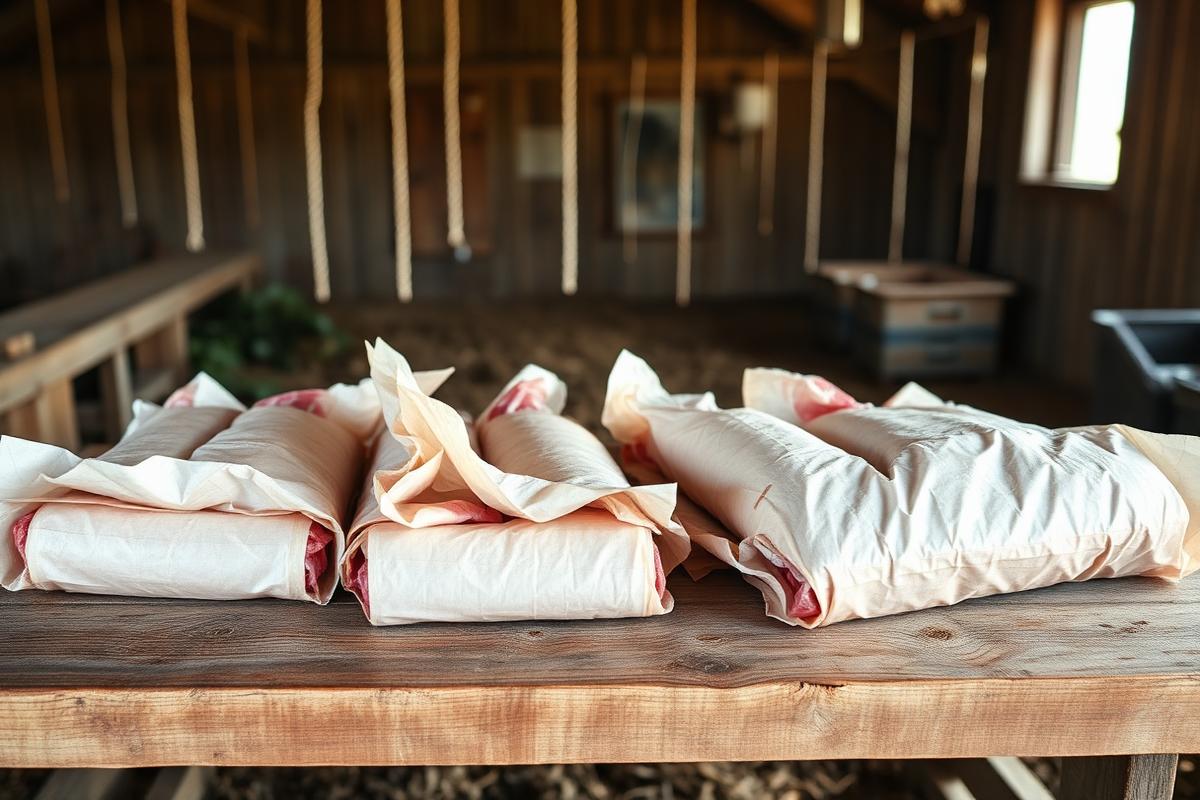
We sell pork by the cut and by the share to neighbors in Beaver County, Butler County, and the greater Pittsburgh area. Everything is local pickup at the farm in Conway, coordinated by text.