A farm chicken costs more per pound than a grocery store chicken. We are not going to pretend otherwise. What we can do is explain exactly what the difference buys and let you decide.
How the birds were raised
**Grocery bird:** typically raised indoors at high density, finished in about six weeks, usually vaccinated and often on medicated feed as standard practice.
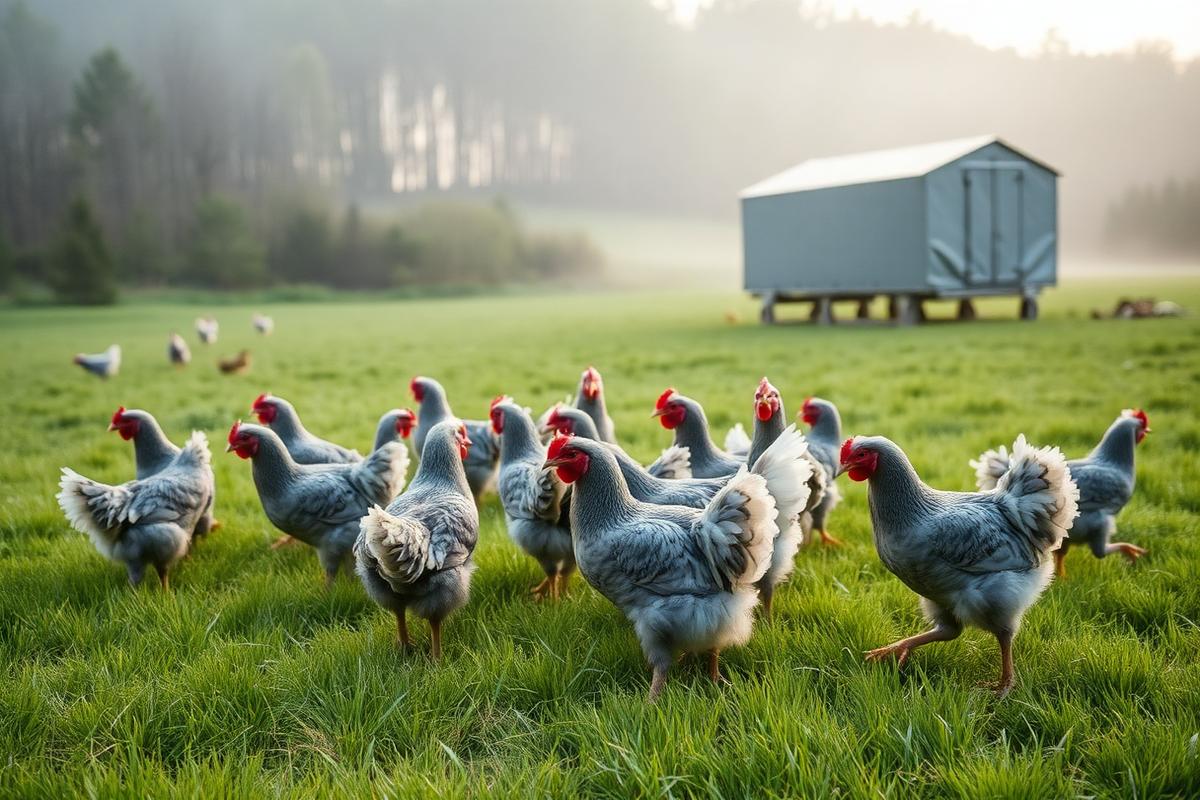
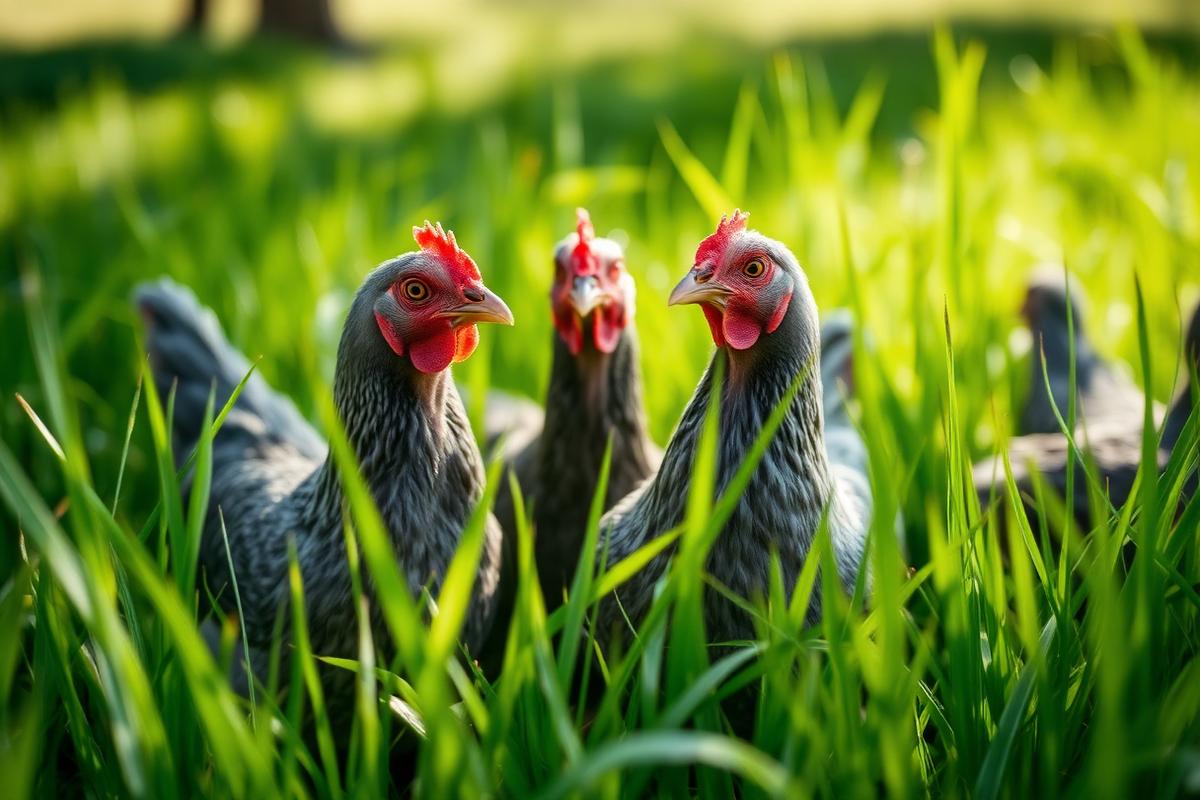
**Our bird:** Grey Broilers raised outdoors on pasture, moved regularly to fresh grass, unvaccinated, raised without routine pharmaceuticals, and finished slower.
Water content
Many commodity chickens are chilled in a water bath, which means the bird can absorb water before packaging. Some packages disclose an added solution percentage. You pay for that water at the register and lose it in the pan. Read the fine print on a grocery package sometime, it is instructive.
Freezing
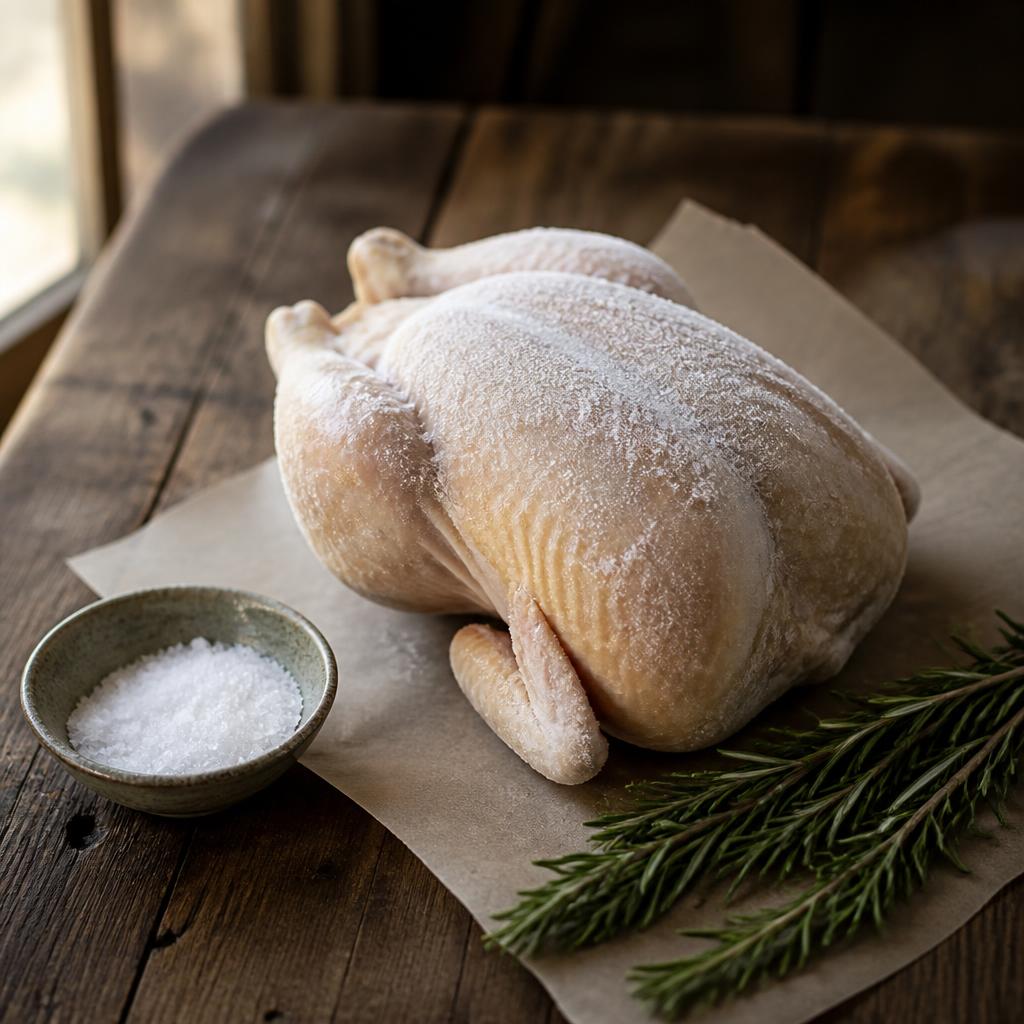
Ours are frozen immediately upon processing. Not chilled, shipped, displayed, marked down, then frozen at home a week later. Immediate freezing preserves texture and eliminates the slow quality slide that happens in a long cold chain.
Cooking differences
You will notice these right away:
What a whole bird gets you
One whole chicken is more than one meal.
1. Roast it for dinner
2. Pull the leftovers for sandwiches, tacos, or soup
3. Simmer the carcass overnight for stock
4. Freeze the stock in quart jars
Counted that way, the per meal cost narrows considerably against a rotisserie bird plus a carton of store broth.
Weight tiers
Our birds finish at different weights because they are actual animals, so we sell in tiers from roughly three pounds up. Pick the size that fits your table.
Where to get one
Reserve on the chicken pre-sale page. Pickup is at our farm in Conway, PA, serving Beaver County, Butler County, and the Pittsburgh area, coordinated by text.